Overview of Fort-de-France
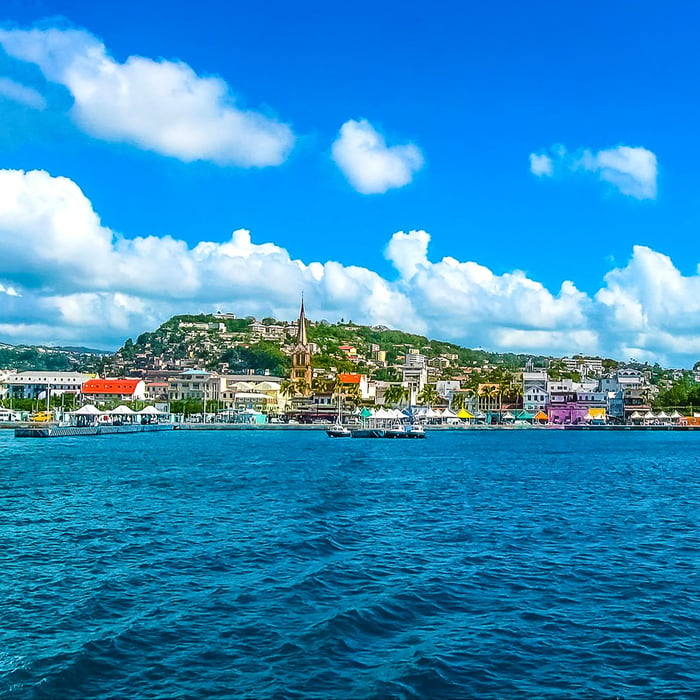
Fort-de-France, the capital of Martinique, is a vibrant city nestled on the island's west coast. Known for its bustling markets and rich history, the city serves as the island's main cultural and commercial hub. Its streets are alive with the sounds and colors of Creole culture, showcasing a melting pot of influences. Visitors can enjoy the charming blend of French elegance and Caribbean flair found in its architecture and culinary offerings.
Cultural Highlights
The culture of Fort-de-France is deeply rooted in its Afro-Caribbean and French heritage. Every year, the city hosts the energetic Carnival of Martinique, a celebration filled with parades, music, and dance. The Aimé Césaire Theater is a modern cultural venue offering various performances. Visitors can also explore the city's history by visiting the Schoelcher Library, named after the abolitionist Victor Schoelcher, which showcases beautiful ironwork and a rich collection of literature.
Must-See Attractions
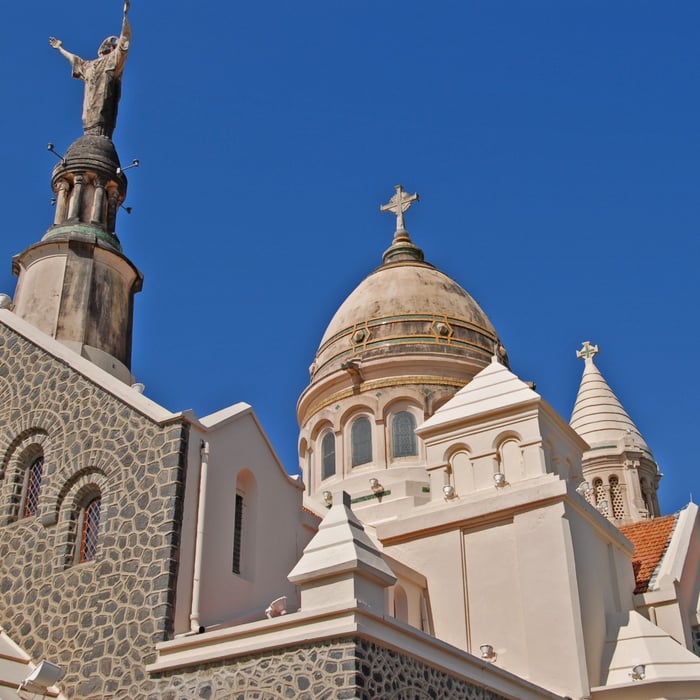
One of the must-see attractions in Fort-de-France is the majestic Fort Saint-Louis, offering stunning views of the bay. The Cathedral of Saint-Louis is another iconic landmark, famous for its impressive Gothic architecture. Don't miss a stroll through the La Savane park, a green oasis in the heart of the city. For those interested in art, the Regional History and Ethnography Museum provides insights into the island’s past with an extensive collection of artifacts.
Local Cuisine and Markets
Fort-de-France offers an abundance of culinary delights, characterized by a fusion of Creole and French flavors. The Grand Marché is a bustling market where visitors can savor local delicacies such as accras and boudin créole. Sample the island's finest rum or try a traditional dish like colombo, a Creole curry. The lively street food scene provides an authentic taste of Martinique's rich gastronomic heritage, making it a culinary paradise for food lovers.
Travel Tips
When visiting Fort-de-France, it is advisable to plan your visit around the dry season, from December to April, to enjoy favorable weather. Though French is the official language, many locals speak Creole, but English is understood in tourist areas. Make use of the Transtiv system, an affordable public transport option, to explore the city. Be respectful of cultural customs and engage in sustainable travel practices to help preserve this unique destination for future generations.