
If you travel to Corsica, you must approach it with curious eyes, free from prejudice. This island, French in history but Italian in culture, is a universe by itself, waiting to be discovered little by little. And while a visit to the capital, Ajaccio, is a must for every tourist, extending your knowledge of the surrounding wilderness is what makes the difference. If you need to get to know Corsica, start in the southern part of the island. It’s certainly the most touristy, and therefore overused, but it’s also the “identity card” that will help you later discover other sides of this magical land. By car, this tour will only take you three hours… but ideally, you’d want to stop, and stay a while, at each stop. The reference airports are Ajaccio (AJA) and Figari-Sud Corse (FSC).
Ajaccio
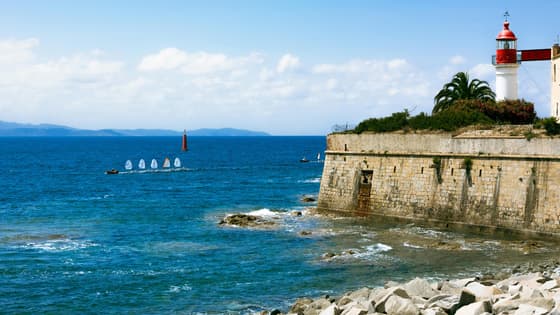
Elegant but never overly snobbish, the capital Ajaccio is a favorite destination for all tourists. Its historic center is rich in monuments and is reminiscent of the cities of central Italy. Worth seeing, in addition to the Cathedral, are Napoleon Bonaparte’s house, the 17th-century Casa dei Milelli, and the Fesch Museum. The medieval citadel is famous for its splendid lighthouse, while the town beach overlooks three cone-shaped islands (the Sanguinaires Islands), home to another historic lighthouse. Other beaches in the capital include Ruppione, Isolella, Capo di Feno, and Cala Fica.
Shortcut to the interior: Grosseto-Prugna and Zonza
After leaving Ajaccio, don’t follow the coastal road but take a shortcut into the island’s interior. In a landscape of rugged mountains and green forests, you’ll pass through charming towns like Grosseto-Prugna. The view of the town’s center alone, with the white peaks of the mountains behind it, is unique… and exploring it will reveal much more. Grosseto-Prugna is famous for its medieval towers: the Genoese tower of Capitello, the tower of Frassu, the fortified house of Frasso… even the bell tower of Saint-Césaire, with its Venetian mosaics on the spire, is a remarkable sight! The villages that surround the historic center (Prugna, Colonna Bozzi, Polverelli, Giacometti) are small 16th-century gems waiting to be discovered.
Zonza’s mountainous landscape is reminiscent of the panoramas of Sardinia’s Gallura region. The city thrives on agriculture and, above all, the production of excellent wine, which can be tasted in the local cellars. The local treasures are the small villages surrounding the center: Sainte-Lucie, Pinarello Taglio Rosso, and Baca. Here, you can visit the “highest horse racecourse in Europe” (762 meters above sea level).
Propriano
Return to the sea, and you’ll find yourself in the coastal town of Propriano. Much more reminiscent of a Venetian lagoon village than a French city, Propriano offers a compact and discreet historic center, with medieval churches and modern shops harmoniously blending together. Not far from the center, you can visit the Bagno Caldane spa and the 8,000-year-old prehistoric archaeological site of Filitosa. Don’t miss a visit to Sartene, an ancient village famous for its legends of bandits! Sea lovers will find numerous beaches in Propriano, both in the center and the surrounding area. Among the most famous are Porto Pollo, Taravo, Baracci, Capu Laurozu, and Campomoro.
Bonifacio
Driving toward the southernmost tip, you’ll find Bonifacio, which, from the heights of its fortified citadel, directly overlooks Sardinia. At this point, the two large islands almost kiss, sharing everything: landscapes, culture, and language. Bonifacio is a city with a history dating back 6,000 years, told today by its ancient monuments. Highlights in the center include the church of Santa Maria Maggiore with its Romanesque bell tower, Porta Genova, the King’s Staircase, the Gouvernail Tunnel, and the harbor. There is no shortage of beaches, with dreamy colors!, where you can relax and forget the world: Petit Sperone, Grand Sperone, Piantarella, the wild Balistra, Tonnara, Stagnolu … .
From Figari to Porto Vecchio
The final step of the tour takes us back inland, but only a few kilometers. Let’s explore Figari: a medieval town reminiscent of Tuscan villages, surrounded by hills and vineyards, offers relaxation, peace, and all-round beauty. The religious architecture is the most important monument in the center, but the true hidden treasure is the small beach located a few kilometers from the town. From Figari, the road leads directly to Porto Vecchio, the end of the tour.
Porto Vecchio is a town founded by the Genoese and still displays its “Ligurian” character. The small citadel, with its ancient ramparts, reflects this ancient Italian heritage, while the Church of Saint-Jean-Baptiste and the Place de la République complete this historic and artistic landscape. One cannot help but be enchanted by the romantic Marina, with its ancient docks and modern events designed specifically for tourists.
Finally, for a final relaxing dip, take it on one of the many beaches surrounding Porto Vecchio: Palombaggia, Rondinara, the pristine white Tamaricciu, or the mysterious and exotic Carataggio. Go further, if you like, and aim for Punta Chiappa (italian word for buttock!) and its historic lighthouse!
