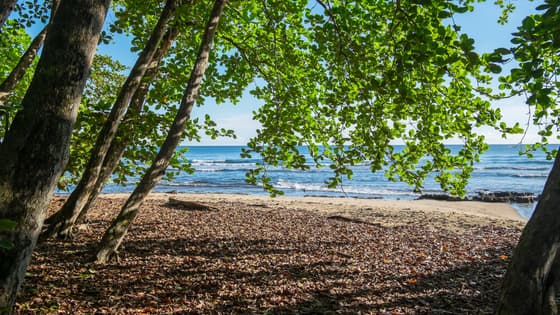
The island of Lemno (or Limonos, or Limnos) is one of Greece’s most fascinating and lesser-known destinations. Located in the northern Aegean Sea, between Mount Athos and the island of Lesbos, it lies opposite the Turkish coast of Çanakkale and a few nautical miles from the island of Gökçeada-Imbros (also a Turkish territory). The two “enemy” islands have watched each other for millennia, studying each other with hatred or with love depending on the historical periods—certainly a special closeness between two nations that are not always in harmony. Lemno is not overrun by mass tourism, so it retains a special tranquility that makes it an ideal destination for those wishing to discover an authentic soul of Greece—without sacrificing comfort.
Some information about Lemno
Geographically, Lemno is the eighth largest island in Greece, with a surface area of approximately 477 square kilometers. Its terrain is predominantly plain and hilly, making it a rather “flat” land compared to other Aegean islands dominated by mountains. Thanks to its flat and fertile terrain, Lemno is rich in cultivated fields, especially vineyards, olive groves, and fruit orchards, with pastures extending to the rugged coastline and long sandy beaches, creating a harmonious and varied landscape.
The island’s capital is Myrina, a picturesque town built at the foot of an imposing Venetian castle overlooking the harbor. Strolling through its narrow, ancient-style streets, visitors can admire traditional architecture, romantic cafés, taverns, and small shops selling local crafts. The waterfront is one of the liveliest spots on the island, especially during summer evenings, when residents and tourists gather to enjoy traditional dishes based on fresh fish or simply stroll while admiring the sunset over the sea.
One of the elements that make Lemno particularly interesting is its long history. The island has been inhabited since prehistoric times and played an important role in Aegean civilizations. The archaeological site of Poliochni is considered one of the oldest urban settlements in Europe, dating back to the 3rd millennium BC. Excavations have uncovered dwellings, paved streets, public buildings, and evidence of a highly organized society. Nearby is the Sanctuary of the Cabeiri, an ancient sacred area dedicated to mysterious religious cults practiced in classical times.
Legend
Lemno also holds a special place in Greek mythology. According to legend, the island was the home of Hephaestus, the god of fire and metallurgy. After being hurled from Olympus, Hephaestus landed on Lemno, where he built his forge and taught the inhabitants the art of metalworking. This mythological tradition has helped make the island a place full of charm and mystery, still celebrated today through cultural events and folk tales.
Festivals
The patron saint festivals, called Panigiria, are among the most heartfelt events. These celebrations celebrate the patron saints of the churches with religious services, followed by outdoor banquets, live music, and traditional Greek dances. Participants often wear traditional costumes and dance until late at night, accompanied by instruments such as the violin and bouzouki.
Gastronomy also plays an important role. During the festivals, you can taste local specialties, including cheeses, honey, wines, and sweets prepared according to ancient recipes. These products showcase the island’s agricultural traditions and offer visitors an authentic culinary experience.
The celebrations on Lemno are not just moments of fun, but also opportunities to keep alive customs passed down from generation to generation. Attending a festival on the island means experiencing firsthand the hospitality of its inhabitants, their strong sense of community, and their deep connection to the history, religion, and traditions of the area.
What to do on the island?
We suggest three ideas for experiencing the island of Lemno to the fullest. A classic itinerary, featuring the most beautiful beaches and venues; a historical-cultural itinerary; and an itinerary dedicated to lesser-known nature.
Beach Itinerary
The beaches of Lemnos are among the island’s main attractions. The coast offers over one hundred kilometers of coastline with sandy bays, crystal-clear waters, and shallow waters, ideal for families. Among the most famous beaches are Plati, Thanos, Gomati, Keros, and Chavouli. Keros beach in particular is internationally renowned for water sports such as windsurfing and kitesurfing, thanks to the constant winds that blow throughout most of the year. At the same time, those seeking tranquility can easily find secluded coves where they can relax surrounded by nature. The clear waters are perfect for scuba diving, snorkeling, and boat trips along the coast.
Cultural Itinerary
The cultural itinerary will introduce you to the island’s rhythms and traditions. The small inland villages—such as Kontias with its windmills, Kaspakas with its simple, classical architecture, Moudros (famous for its port and lively taverns), and Atsiki (with its farms and cultivated fields)—keep local customs intact. Festivals, traditional music performances, folk dances, and community-wide celebrations inspire even tourists.
Nature Itinerary
Nature lovers can also find numerous opportunities for excursions and outdoor activities. One of the island’s most striking natural settings is the Gomati sand dunes, often called the “desert of Lemno”. This unusual landscape, which characterizes this beach, features tall, wind-shaped dunes and Mediterranean vegetation, creating a landscape that is more African than Greek. Another natural curiosity is the volcanic rocks and unique geological formations that testify to the ancient origins of the area. Also visit the wetlands of Lemno, home to many migratory bird species.
How to get to Lemno
From a tourism perspective, Lemno is easily accessible both by sea and by air. The island has a local airport connected – via direct inner flights – to Athens Airport (ATH) and a port that receives ferries from Piraeus and other islands in the northern Aegean.
Despite these connections, Lemno continues to maintain a sustainable tourism industry, characterized by small-scale accommodations and a relaxed atmosphere. The island has set limits to never overcrowd visitors and avoid the chaotic and dramatic situations of Santorini, where, for example, locals even meet tourists in their backyards, disrespectfully! Effectively managing tourist flows ensures that the economy continues to thrive while also preserving the island’s beauty over time.
Choose Lemno responsibly
In conclusion, if you choose Lemno, do so responsibly. This small island “that challenges neighboring Turkey” is a hidden and precious destination, like a gem, worthy of absolute respect. It’s ideal for those who want to experience a different, authentic, and historically rich Greece. Its pristine beaches, archaeological heritage, gastronomic traditions, and the warm hospitality of its inhabitants contribute to an unforgettable travel experience. Far from the more crowded destinations, this island offers the opportunity to rediscover the pleasure of slow living, communing with nature, and discovering a still little-known yet extraordinarily fascinating cultural heritage.