
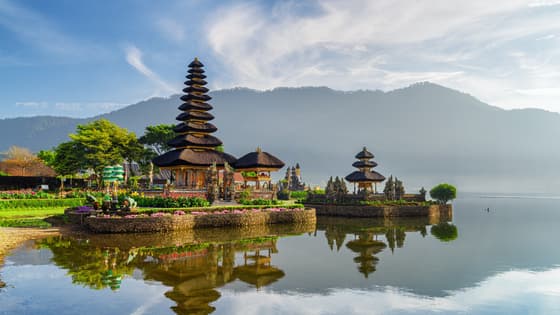
Hubo una época, entre los años 80 y 90, en la que Bali estaba en boca de todos. Un destino ideal para lunas de miel, una escapada veraniega predilecta, el lugar favorito de las celebridades más ricas del mundo… parecía que los paraísos del planeta habían desaparecido con una sola palabra: Bali. ¿Qué más se podía pedir? Luego, con el auge inesperado de destinos exóticos más cercanos al mundo occidental, esta remota isla indonesia cayó en el olvido. Ahora, en la década de 2020, ha vuelto a ser un destino turístico de primer orden. Y especialmente en esta primavera de 2026, ¡un viaje a Bali parece imprescindible! Así que, ¡repasemos los itinerarios que habíamos olvidado!
Viaje a Bali
Para llegar a la isla de Bali, puedes aterrizar en el principal aeropuerto de Indonesia, Yakarta Hatta (CGK), y luego tomar vuelos nacionales a Bali. Como alternativa, estudiando las mejores rutas, puedes aterrizar directamente en el Aeropuerto Internacional Ngurah Rai de Bali Denpasar (DPS) y estar ya en el lugar. Desde todos los aeropuertos, puedes viajar con excelentes servicios de traslado privado a medida, reservados y organizados con antelación, que también te permiten incluir diversas paradas en tu itinerario.
¿Por qué volver a Bali?
¿Por qué Bali ha vuelto a ser popular? Se debe a una estrategia turística bien planificada implementada por Indonesia durante la pandemia de Covid. De hecho, a partir de 2020, se planificaron mejoras significativas en el transporte, se incrementó la oferta de alojamiento «inclusivo» (es decir, ya no solo resorts para los ricos, sino accesibles para todos) y, finalmente, se dio gran importancia a los «nómadas digitales» y al teletrabajo, con excelentes conexiones a internet.
Pero volver a Bali era inevitable, más allá de los beneficios económicos. Porque la belleza de esta tierra debe ser descubierta y experimentada. Y va mucho más allá de las típicas playas exóticas «banales».
La gente viene a Bali por el mar y el relax, por supuesto, pero también para descubrir sus espectaculares templos, monasterios budistas, bosques vírgenes y paisajes montañosos únicos. Existen cientos de itinerarios para crear en Bali, pero aquí solo sugeriremos los lugares más emblemáticos que merece la pena visitar… ¡sobre todo si es tu primera vez!
Bali y el mar
Bali y el mar son inseparables porque, de hecho, Bali es mar. Quienes vienen aquí buscan sobre todo playas y aguas cristalinas, con sus maravillosos fondos marinos. Algunos nombres no te sonarán: la playa de Padang, con sus rocas calizas y las olas favoritas de los surfistas; Jimbaran, con sus numerosos restaurantes tradicionales de marisco a lo largo de la arena blanca; Nusa Dua, la playa de los multimillonarios.
Otras playas son descubrimientos recientes, pero ya se han convertido en favoritas de los turistas. Por ejemplo, la tranquila Sanur, la increíble «playa dorada» de Kuta, y las numerosas playas románticas, tranquilas y apartadas como Uluwatu o Thomas Beach. Famosas por su ambiente salvaje y de «isla desierta», aunque aún se conservan los pueblos pesqueros, las últimas novedades son las pequeñas playas de la costa de Bukit… pequeñas joyas aún vírgenes.
Cultura y arte balinés
Comience a enamorarse de la cultura balinesa en la capital, Denpasar. Aquí, el Palacio Real, el Palacio Satria, los templos Sakenan y los museos le brindarán su primer y grato encuentro con el espíritu de la isla.
Los templos, con sus imponentes pagodas adornadas con oro y diseños geométricos, son el or-gullo de los itinerarios artísticos de Bali. Entre los más famosos se encuentran el Templo del Loto en Ubud, el Templo Flotante (Pura Ulun Danu) en el lago Bratan en Bedugul, el Templo del Acantilado (Dalem Pemutih) con vistas al mar en Geger, en la costa oeste de la isla, el Luhur Batukaru, un templo enclavado en la espesura de la selva tropical, y el Pura Rambut Siwi, el emblemático templo de Medewi.
Otros lugares imprescindibles para experimentar el alma histórica y artística de Bali incluyen la ciudad real de Klungkung, los extensos arrozales de Sidemen, las galerías de arte de Mas, el arte callejero de Canggu y las danzas tradicionales que se celebran en el templo Pura Desa Singa-padu en Batubulan.
Turismo regenerativo
Bali vuelve a estar de moda gracias, en parte, a los proyectos de «turismo regenerativo» de la isla. Este tipo de turismo permite que los visitantes extranjeros participen activamente, junto con los locales, en la mejora de lugares y entornos que se encuentran en mal estado.
Reforestación, restauración de playas dañadas por marejadas ciclónicas, cosecha de arroz… estos son solo algunos ejemplos de este tipo de turismo, una versión «avanzada» del turismo experiencial. Estas experiencias también incluyen clases de cocina balinesa (para preservar recetas populares ancestrales), trabajo en granjas orgánicas para educar a la gente sobre nuevos cultivos y la restauración de templos y monumentos antiguos.
Experimentar Bali formando parte de la propia isla y dejando una huella positiva en ella. ¿Acaso, no son las mejores vacaciones imaginables?
