
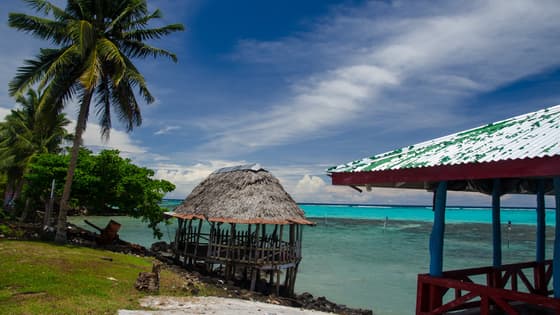
¡Atención! ¡La isla de Aruba no es el típico destino vacacional! Si vienes, prepárate mentalmente, porque no es el típico lugar exótico de palmeras, olas y cócteles en la playa… aquí también hay una población en constante movimiento. Y se dirige hacia el futuro, con políticas ecológicas e inclusivas que buscan crear armonía entre la naturaleza y la humanidad. Por eso, conviene explorarla con curiosidad y mente abierta, entre baño y baño. Ubicada en las afueras del Caribe, una pequeña isla frente a la costa de Venezuela, se puede llegar en avión —aterrizando en el Aeropuerto Internacional Reina Beatrix de Aruba (AUA)— con vuelos directos desde los Países Bajos (al igual que desde Europa), Estados Unidos o las islas del Caribe.
¿Playas de Aruba: cuales y donde?
Sin duda, la principal razón por la que los turistas reservan vacaciones y cruceros a Aruba son sus playas. La imagen es la típica de postales con tramos perfectos de arena blanca, palmeras, olas azules y una relajación total.
Las mejores playas se encuentran en la costa oeste, donde también se ubica la capital, Oranjestad, y Eagle Beach destaca por encima de todas las demás: 2 km de naturaleza impresionante, ¡un lugar predilecto para las tortugas marinas que desovan allí! Palm Beach, un poco más al norte, es la playa de los ricos, con un paseo marítimo repleto de restaurantes, hoteles y tiendas de lujo. Arashi también se encuentra en esta costa y ostenta el título de «la playa más hermosa de la isla».
Nada más aterrizar, justo enfrente del aeropuerto, su mirada se posará en la extensa Isla Renaissance, un paraíso privado pero accesible, hábitat ideal para los hermosos flamencos rosados. En Aruba, de hecho, también se la conoce como «Playa de los Flamencos». Al otro lado de la isla, al sureste, se encuentra una bahía poco conocida con el fondo marino más hermoso de la isla: Mangel Halto, ¡un lugar de ensueño para bucear! Quienes busquen lugares más salvajes deberían dirigirse a la costa del Parque Nacional Arikok, con vistas a las playas de Malmok y Boca Catalina, y con cuevas, piscinas naturales y fondos marinos ricos en fauna singular y espléndida flora marina.
Itinerario de Aruba: mucho más que «solo mar»
Aruba es famosa por sus deslumbrantes playas de arena blanca, aguas turquesas y sol radiante, pero el atractivo de la isla va mucho más allá de su costa. Lejos de los complejos turísticos más concurridos, los visitantes pueden descubrir un paisaje modelado por un terreno casi desértico, una historia fascinante, una cultura vibrante y maravillas naturales únicas. Explorar Aruba más allá de la playa revela un lado más tranquilo y aventurero de este destino caribeño.
Una de las atracciones más impresionantes de la isla es el Parque Nacional Arikok, que abarca casi el 20 % de la superficie de Aruba. El parque ofrece un contraste espectacular con la imagen de una isla tropical, con colinas escarpadas, paisajes repletos de cactus, cuevas escondidas y vistas panorámicas de la costa. El parque también alberga fauna autóctona, incluyendo la singular serpiente de cascabel de Aruba y coloridas aves.
El patrimonio cultural de la isla se puede explorar en Oranjestad, donde la colorida arquitectura colonial holandesa, los museos, las tiendas y los restaurantes locales crean un ambiente animado. El Museo de Historia de Aruba, ubicado dentro del Fuerte Zoutman, narra la historia de las raíces indígenas de Aruba, el período colonial y su desarrollo hasta convertirse en una sociedad caribeña moderna. Recorrer Oranjestad también revela la fusión de influencias holandesas, latinoamericanas, caribeñas e indígenas de la isla. Para una visión más profunda de la historia de Aruba, vale la pena visitar las ruinas de la mina de oro de Bushiribana. Construidas en el siglo XIX durante la época de la minería de oro en Aruba, las ruinas de piedra se alzan majestuosamente contra la escarpada costa norte de la isla.
Las formaciones rocosas de Casibari presentan enormes rocas dispersas por el paisaje, creando senderos naturales y miradores con vistas a la isla. Escalar entre estas rocas milenarias ofrece una perspectiva diferente de la geografía de Aruba. Otra parada memorable es el Faro de California, ubicado en el extremo norte de la isla, desde donde los visitantes pueden disfrutar de vistas panorámicas de la costa y el paisaje desértico circundante. Si bien las playas de Aruba son innegablemente hermosas, el verdadero carácter de la isla se revela en el interior. Desde parques nacionales y ruinas históricas hasta monumentos culturales y paisajes espectaculares, Aruba ofrece mucho más que relajación junto al mar. Los viajeros que se aventuran más allá de la costa descubren una isla rica en historias, naturaleza y experiencias que hacen que una visita sea verdaderamente memorable.
Aruba y la lucha ambiental de las mujeres
¿Sabías que Aruba albergó una de las refinerías de petróleo más grandes del mundo? ¡Quién lo hubiera imaginado! Cerró en 1985 y allí permanece, un enorme esqueleto olvidado que sirve de telón de fondo a una encantadora cala muy querida por los lugareños. El sitio está a la espera de ser demolido y reconstruido, pero sus ruinas también nos recuerdan la gran batalla que libraron los habitantes locales, especialmente las mujeres, en nombre de la ecología.
La primera ministra Evelyn Wever-Croes inició el debate hablando sobre cambios en las políticas de sostenibilidad; empresarias locales y mujeres comunes, que involucraron a sus hijos y esposos, continuaron la conversación. Hoy, Aruba nos enseña que podemos cuidar el medio ambiente sin perjudicar el turismo. De hecho, esta lucha se está convirtiendo en un motivo de orgullo. ¡A los turistas les encantan los lugares que respetan su entorno!
Los Países Bajos, a los que pertenece Aruba, merecen reconocimiento por esto, a pesar de que la isla es políticamente autónoma y tiene su propio gobernador. Las políticas ambientales neerlandesas han contribuido enormemente a proteger ciertos paraísos en el extranjero, haciéndolos aún más bellos y atractivos, tanto para los residentes como para los turistas.
La Isla de los Artistas
La belleza de Aruba inspira el arte de innumerables creadores. No solo locales, sino también extranjeros que encuentran aquí un refugio seguro para su imaginación. Está el ex corredor de bolsa neerlandés que descubrió su talento para la pintura aquí… y hoy pinta cuadros tan realistas que parecen fotografías. Está la artista abstracta nacida y criada en la isla que intentó «escapar» y forjarse un futuro en Europa; pero luego decidió regresar, atraída por la nostalgia del paraíso. Hay jóvenes diseñadores tecnológicos que, en lugar de un rascacielos en el centro de Nueva York, han elegido una luminosa casa colonial en Oranjestad como taller, creando arte con ordenadores y dando empleo a muchos residentes locales.
Todos estos artistas tienen sus estudios en Aruba y venden no solo su arte, sino también emocionantes recuerdos de la isla. Su objetivo es un futuro de turismo activo y experiencial, donde los visitantes hagan mucho más que simplemente nadar en el mar. No incluimos sus nombres a propósito. Queremos invitar a quienes vacacionan en la isla a descubrir por sí mismos quiénes son estos creadores y, así, a explorar los lugares y eventos, ampliando sus horizontes.
