
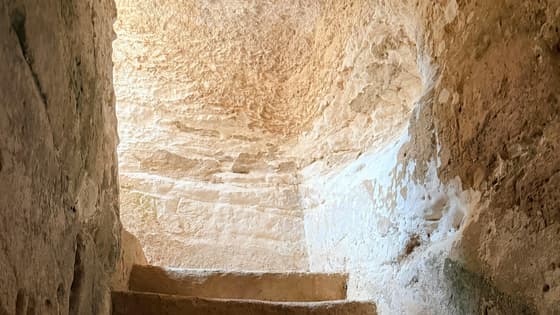
Hay otra Nápoles bajo tus pies. ¡Una ciudad entera oculta que se extiende bajo tierra y «sostiene» la Nápoles moderna como una inmensa red de pilares de piedra! Desde hace tiempo, esta Nápoles subterránea se ha convertido en una atracción turística, y donde antes solo había túneles secretos, almacenes abandonados y bodegas, ahora existen fascinantes rutas repletas de historias perdidas en el tiempo. Al aterrizar en el aeropuerto de Nápoles Capodichino (NAP), con los numerosos servicios de traslado disponibles para los viajeros, podrás llegar fácilmente al centro histórico de la ciudad. Un lugar rico en monumentos para admirar, pero también en «pasajes secretos» que conducen directamente al corazón de Parténope.
Nápoles y su patrimonio artístico
Las maravillas de Nápoles «en la superficie» son ahora famosas en todo el mundo. Desde los monumentos más famosos como el Castillo de Anjou, el Castillo de Dell’Ovo, la Plaza del Plebiscito con el Palacio Real, la Catedral y la Via San Gregorio Armeno (Calle de los Santos Pesebres)… hasta el Barrio Español… y los Museos (Museo Arqueológico, Capodimonte, el Monasterio de Santa Clara, la Capilla de San Severo, hogar de la increíble estatua del Cristo Velado).
Lugares como los Campos Flégreos, Pozzuoli, Posillipo y la propia ciudad de Pompeya, a tan solo media hora en coche, también forman parte del encanto de Nápoles, aunque no estén cerca del centro. Desde Nápoles, con traslados públicos y privados, también se puede llegar rápidamente (en una hora en coche) a las románticas ciudades de Castellammare di Stabia, Vico Equense y Sorrento. Desde el puerto de Nápoles, se puede tomar un ferry a las islas que dominan el golfo: Procida, Ischia y Capri.
Descubriendo el subsuelo
El subsuelo de Nápoles ha estado habitado durante milenios. Como en muchas ciudades italianas, durante la época de los primeros cristianos, también se excavaron catacumbas para celebrar ritos lejos de la mirada de los soldados romanos. De hecho, las catacumbas de Nápoles han sido durante mucho tiempo una popular atracción turística: la Fontanelle, San Genaro, San Gaudioso… estos lugares son una muestra de lo que significa explorar la ciudad subterránea hoy en día.
Las catacumbas de San Genaro, con acceso desde Via Capodimonte, son un cementerio que data del siglo II d. C., donde también se enterraban obispos; la tumba del santo patrón, San Genaro, es el sitio más famoso de la ruta. En San Gaudioso (con acceso desde Piazza Sanità), se pueden admirar los hermosos mosaicos y pinturas murales del siglo V d. C., así como las tumbas de nobles napolitanos que datan del siglo XVII. Le Fontanelle es un antiguo hospital subter-ráneo, posteriormente convertido en cementerio, que estuvo en funcionamiento hasta la Se-gunda Guerra Mundial. Se encuentra bajo la iglesia del mismo nombre.
Pero no hace falta ser creyente, místico ni aficionado a la historia religiosa para explorar el subsuelo de Nápoles, porque el mapa de esta mágica ciudad oculta continúa… y tiene mucho más que ofrecer.
La Ciudad Oculta
Hoy en día, la Nápoles Subterránea es un magnífico recorrido compuesto por una serie de antiguos túneles, cámaras y pasadizos que discurren literalmente bajo la ciudad. Ostenta el título de «uno de los sistemas urbanos subterráneos más grandes del mundo», con más de 64 kilómetros de túneles creados por los antiguos griegos y en uso desde entonces.
Desarrollada durante la Edad Media, se convirtió en un acueducto durante la época borbónica, luego en un sistema de almacenes de alimentos y comercios, y finalmente, en el siglo XX, en un refugio antiaéreo. El potencial turístico de esta Nápoles oculta se comprendió en la década de 1970, cuando comenzaron las primeras «visitas guiadas», organizadas principalmente por académicos e intelectuales. Diez años después, las primeras agencias especializadas en estas visitas ya estaban en funcionamiento.
Actualmente, el acceso a la ruta de la Nápoles Subterránea se realiza desde la Piazza San Gaetano, junto a la Basílica de San Pablo Mayor. Los horarios de apertura y la información de contacto para obtener más información se pueden encontrar en el SITIO WEB OFICIAL .
Qué ver en l Nápoles Subterránea
Las paradas más fascinantes del Nápoles Subterráneo son el Teatro Romano y el Museo de la Guerra, pero la Galería de Arte Contemporáneo Co.R.E. y los increíbles Jardines del Hipogeo también te dejarán sin palabras. Por último, visita la Bodega Tufello, donde se almacenan barricas de uno de los mejores productos gastronómicos y vinícolas napolitanos.
El Teatro Romano se compone de los restos de la cávea y los pasillos de un antiguo teatro de la época de Nerón, ahora tan integrados en los cimientos de los edificios superiores que puedes subir y salir, a través de una trampilla, ¡directamente a los aposentos de la nobleza!
El Museo de la Guerra rememora la angustia y el drama de la vida cotidiana de la ciudad durante los bombardeos de la Segunda Guerra Mundial. Aproximadamente 40.000 personas se refugiaron en estos túneles, donde también se almacenaron objetos cotidianos, ropa y vehículos. Tras los daños de la guerra, se perdió mucho, pero lo que se salvó se exhibe de forma permanente, junto con uniformes, armas y estandartes.
El espectacular jardín subterráneo, por otro lado, es ultramoderno. Creado en 2015 para la Exposición Internacional, demuestra cómo es posible cultivar incluso a 35 metros bajo tierra y en ausencia de luz solar. Lámparas especiales sustituyen los rayos del sol, mientras que la humedad de las cuevas, mantenida pura y libre de polvo contaminante, nutre el suelo donde crecen las plantas. ¡Los productos de este jardín maridan a la perfección con el vino Tufello!
Finalmente, un paseo por la Galería Co.R.E., con pinturas futuristas inmortalizadas en la toba de las antiguas cuevas, le introduce a otros espectáculos subterráneos que podrá admirar al visitar otro lugar único en Nápoles: ¡el metro!
Arte subterráneo
Algunas estaciones de metro de Nápoles se han convertido en auténticas atracciones turísticas subterráneas. Transformadas en obras maestras del arte por arquitectos y artistas visionarios, son un espectáculo imperdible. Los encontrarás en la Línea 1 del Metro (paradas: Toledo, Università, Municipio, Duomo, Garibaldi, Mater Dei, Quattro Giornate) y en la Línea 6 (Chiaia y San Pasquale). Vista previa de esta maravilla haciendo clic aquí: https://metroart.anm.it/ .
