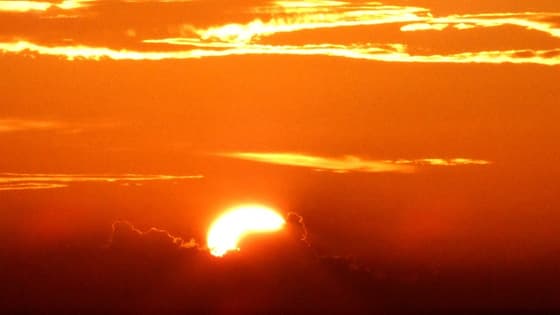
Il “sole di mezzanotte” è uno dei fenomeni naturali più affascinanti del nostro pianeta: consiste nella presenza del sole sopra l’orizzonte anche durante le ore notturne. Questo evento si verifica nelle regioni situate ai circoli polari, cioè il Circolo Polare Artico e il Circolo Polare Antartico, durante il periodo estivo dei rispettivi emisferi. In quei luoghi, per alcune settimane o addirittura per diversi mesi, il Sole non tramonta mai completamente, creando giornate caratterizzate da una luce continua. La causa del fenomeno è legata all’inclinazione dell’asse terrestre, che è inclinato di circa 23,5 gradi rispetto al piano dell’orbita intorno al sole. Durante il movimento di rivoluzione della Terra, questa inclinazione fa sì che, in estate, uno dei due poli sia costantemente illuminato.
Dove potete ammirare questo fenomeno?
Il sole di mezzanotte può essere osservato in diversi Paesi dell’emisfero settentrionale, come la Norvegia, la Svezia, la Finlandia, l’Islanda, la Russia settentrionale, il Canada e l’Alaska. Nell’emisfero meridionale, invece, non ci sono nazioni abitate nell’area in cui avviene tale fenomeno per cui possono ammirarlo solo gli scienziati che lavorano in Antartide (Polo Sud).
L’Islanda è diventata negli ultimi anni una ambita meta turistica. Esistono agenzie e tour operator che organizzano eventi e attività a tardissima ora proprio per far godere ai visitatori il “brivido” di questa magica luce notturna. Per gli abitanti dell’isola, il periodo del sole di mezzanotte – che qui ha la sua massima durata proprio tra giugno e luglio – rappresenta una stagione di energia e di vita all’aperto, dopo i lunghi mesi invernali caratterizzati dalla scarsità di luce, e anche i turisti vengono coinvolti in questo vivace cambiamento. Vi proponiamo qui alcune località islandesi dove poter vivere sotto “il sole di mezzanotte” in modo divertente e particolare.
In Islanda si arriva atterrando ai due aeroporti internazionali della capitale, Reykjavik Keflavik (KEF) oppure Reykjavik (RKV). Da entrambi, con i veicoli con autista che forniamo noi, potrete organizzare spostamenti rapidi, pratici e soprattutto comodi verso alcune tappe dell’itinerario.
Itinerari sotto il sole di mezzanotte
Ecco alcuni suggerimenti di attività interessanti da fare ad orari che mai avreste immaginato! Immersioni dopo mezzanotte, passeggiate alle tre del mattino, escursioni sui ghiacciai a ora di cena… in piena luce e con colori magici! Siete curiosi di iniziare questa avventura?
Silfra
Silfra è una località generatasi da una faglia creata dalla Dorsale Medio-Atlantica. Questo è uno dei posti in cui le due enormi placche continentali – europea e americana – si incontrano e si scontrano. Situata all’interno del Parco Nazionale di Þingvellir, nei pressi del lago Þingvallavatn, si raggiunge con poco più di un’ora di viaggio in auto da Reykjavik. La vallata è tagliata di netto dalla frattura generata dalla faglia e lungo di essa si aprono grotte e canyon di raro fascino. In alcuni punti la frattura è allagata da una falda acquifera e ci si può immergere per esplorarne i fondali: immaginate di farlo all’una di notte con la tenue luce dell’eterno tramonto estivo che filtra dalla superficie dell’acqua…!
I ghiacciai
Vivere il sole di mezzanotte tra i ghiacci islandesi è un modo unico di trascorrere un mese di giugno speciale! Vi suggeriamo di iniziare da Skaftafell, sulla costa sud dell’Islanda. Dista 377 km dalla capitale quindi si raggiunge con autobus a lunga percorrenza o con voli regionali (aeroporto di riferimento è Hornafjörður). Fa parte del Parco Nazionale di Vatnajökull …che protegge uno dei ghiacciai più grandi del mondo … in un ambiente talmente aspro e selvaggio che non esistono strade! Bisogna obbligatoriamente andare con una guida del posto e seguire i suoi consigli senza colpi di testa! Vedrete: una piana glaciale formata da detriti di sabbia nera, una serie di crateri spenti, la magnifica cascata “nera” che si getta giù da una rupe di lava a colonne e onde di ghiaccio congelate nel tempo e dal tempo…!
Nel cuore del ghiacciaio di Vatnajökull sorge anche Bárðarbunga. Questo vulcano dal nome buffo, per fortuna, erutta solo una volta ogni cinque o sei secoli perché, essendo coperto totalmente dal ghiaccio, quando esplode causa flussi piroclastici devastanti. Però quando, come adesso, è in quiete ci si può arrampicare sulle sue pendici … e in estate potrete farlo anche in piena “notte”, ammirando panorami spettacolari. Si arriva con voli regionali che atterrano allo scalo minore di Egilsstaðir. Le grotte di ghiaccio e le cascate di Dettifoss sono le tappe da non perdere. Anche qui è d’obbligo avere una guida esperta accanto.
Akureyri
Ajureyri ha un suo aeroporto che accoglie le coincidenze nazionali dalla capitale per permettere ai turisti di partecipare a numerose attività da fare con il sole di mezzanotte. Situata nel nord, sulle rive del fiordo Eyjafjörður, è una delle città più affascinanti del Paese, nonostante le sue dimensioni contenute, perchè offre numerose attrazioni e rappresenta un punto di partenza ideale per esplorare i paesaggi spettacolari della regione. Il suo territorio urbano è circondato da montagne innevate, vallate verdi e acque profonde, creando uno scenario naturale particolarmente suggestivo specie durante l’estate, con lunghe giornate illuminate dal sole che permettono di godere delle attività all’aperto. Passeggiate alla scoperta dei monumenti (la chiesa di Akureyrarkirkja, le casette di torba, il giardino botanico), di musei, gallerie d’arte e localini tipici dove vengono organizzati festival musicali e culturali. Nei dintorni si trovano luoghi naturali spettacolari, come la cascata Goðafoss, il lago Mývatn e aree vulcaniche caratterizzate da fenomeni geotermici.
Il sole di mezzanotte sui vulcani
A poca distanza dalla capitale, con transfer che in macchina non superano mai le tre ore, si possono raggiungere alcuni dei vulcani più affascinanti d’Islanda. Il più vicino è Katla, ma anche Monte Hekla e l’irrequieto Eyjafjallajökull sono a portata di …viaggio! Il vulcano Katla, situato sotto il ghiacciaio Mýrdalsjökull, è uno dei più grandi e potenti sistemi vulcanici islandesi. La sua caldera misura circa 10 km di diametro ed è stata responsabile di numerose eruzioni esplosive nella storia. Le eruzioni del Katla producono cenere, lava e grandi inondazioni glaciali chiamate jökulhlaup. Il vulcano è costantemente monitorato dagli scienziati per prevedere eventuali attività future e proteggere le comunità vicine.
Il vulcano Hekla è uno dei più famosi vulcani d’Islanda e si trova nella parte meridionale dell’isola. È uno stratovulcano attivo, spesso chiamato la “Porta dell’Inferno” nelle antiche tradizioni europee. La sua altezza raggiunge circa 1.491 metri e ha prodotto numerose eruzioni nel corso della storia. La prima documentata risale al 1104, mentre le eruzioni moderne sono state osservate nel Novecento e in tempi recenti. Hekla è noto per le sue colate laviche e per la combinazione di lava e cenere vulcanica.
Il vulcano Eyjafjallajökull (noto in Europa come “vulcano dal nome impronunciabile”) erutta abbastanza frequentemente a partire dall’era glaciale. Prima del 2010, l’ultima eruzione che ha causato una nube gigantesca causando il blocco dei voli in tutta Europa, aveva causato grossi danni negli anni 1821 – 1823, inclusa una “jökulhlaup” (inondazione dovuta allo scioglimento dei ghiacci) che causò notevoli danni.
Scalare questi vulcani, o esplorarne le caldere (non tutti sono montagne), durante una escursione “in notturna” alla luce del grande tramonto del nord sarà un’esperienza indimenticabile.