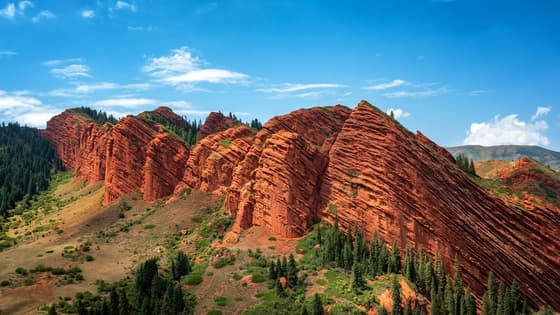
Sapete pronunciare questo nome? Kir-ghi-zi-stan! Oppure Kirghisistan, o ancora Kirgisa. Imparatelo bene perché è una nuova frontiera del turismo che si apre proprio in questi anni. Una repubblica minuscola, schiacciata tra le nazioni giganti dell’Asia, fino a ieri Paese di contadini, pastori e minatori e oggi, all’improvviso, nuova finestra per il turismo internazionale. Il Kirghizistan offre un vero e proprio turismo “d’avventura”, non solo perché ha luoghi e paesaggi selvaggi tutti da scoprire ma anche per la sua cultura particolare… ancora poco conosciuta in occidente. Perché non provare?
Come si arriva in Kirghizistan?
Il Kirghizistan ha soltanto tre aeroporti internazionali, di cui il più importante e meglio collegato è quello della capitale, l’aeroporto di Bishkek Manas (non ancora servito dai nostri autisti). Per raggiungere questo scalo dall’Occidente bisogna fare obbligatoriamente scalo all’ Aeroporto di Istanbul (IST), all’Aeroporto di Dubai (DXB) oppure all’ Aeroporto di Pechino Capitale (PEK).
Nell’attesa del volo che vi condurrà in Kirghizistan potrete usufruire dei nostri transfer con autista presso questi scali, per fare dei brevi giri nei dintorni. Una volta giunti a destinazione, potrete muovervi per il Paese attraverso i locali tour operator oppure affittando un mezzo. I trasporti pubblici non sono molto sviluppati e le reti stradali e ferroviarie ancora in fase di ammodernamento. Spesso le guide locali hanno anche auto con le quali accompagnano i turisti in giro.
Svelare il “mistero Kirghizistan” …
Il Kirghizistan, ufficialmente Repubblica del Kirghizistan, è un Paese dell’Asia centrale caratterizzato da spettacolari paesaggi montuosi, una ricca tradizione nomade e una storia complessa. Situato tra Cina, Kazakistan, Uzbekistan e Tagikistan, il Paese non possiede sbocchi sul mare ma rientra nel suo territorio un grande lago alpino, lo Ysyk-Köl. La presenza della catena montuosa del Tian Shan, che occupa gran parte del suo territorio, offre panorami spettacolari dove la natura è uno degli elementi più importanti caratterizzata soprattutto da pascoli d’alta quota, boschi e campi.
Dopo l’indipendenza dall’Unione Sovietica (nel 1991) la capitale designata è stata Biškek (o Bishkek), una città moderna e ordinata con strade alberate, edifici pubblici e alcuni monumenti ricordano il passato socialista, ma anche con una vita culturale ed economica dinamica. Altri centri importanti sono Osh, una delle città più antiche dell’Asia centrale, e Karakol, conosciuta come punto di partenza per esplorare le montagne circostanti.
La cultura kirghisa è profondamente legata alla tradizione nomade. Per molti secoli le popolazioni locali si sono spostate con le loro mandrie di cavalli, pecore e bovini alla ricerca di nuovi pascoli. Ancora oggi la yurta, la tipica abitazione circolare dei nomadi costruita con legno e feltro, rappresenta un simbolo nazionale. Un elemento centrale della cultura del Paese è l’epopea dell’eroe Manas, uno dei più lunghi poemi epici del mondo, che celebra valori come il coraggio, l’onore e l’unità del popolo. L’economia kirghisa si basa principalmente sull’agricoltura, sull’allevamento, sull’estrazione mineraria e, sempre più, sul turismo.
Itinerari d’avventura durante una vacanza in Kirghizistan
Il territorio del Kirghizistan offre numerose attrazioni naturali. Il lago Ysyk-Köl, situato tra le montagne del Tian Shan, è uno dei laghi montani più grandi del mondo e una delle principali mete turistiche del Paese.
Nonostante si trovi a grande altitudine, non congela completamente durante l’inverno grazie alla composizione delle sue acque. Riceve diversi affluenti dalle montagne circostanti ma non avendo sbocchi tende a evaporare, quindi subisce le influenze di temperatura delle rocce minerali dei suoi fondali. Intorno al lago, diverse agenzie turistiche affittano le tradizionali “tende yurte” per permettere ai visitatori di pernottare in questi piccoli ambienti folkloristici, a due passi dalla riva.
Chi cerca natura selvaggia e avventura non potrà non far base a Karakol, ai piedi delle montagne, e partire da qui verso numerosi itinerari di trekking. Oppure pianificare dei tour nei canyon, spettacolari opere naturali come canyon di Skazka o il canyon di Konorchec o ancora spingersi fino al Passo di Togurart, al confine con la Cina. Un’altra splendida avventura kirghisa è l’escursione a cavallo o in bicicletta partendo dalla cittadina mineraria di Jyrgalan, da poco reinventata come base ecoturistica. Da qui si parte verso mete come il laghetto di Tulpar Köl e la cascata stagionale (in estate non esiste) di Kök-Bel.
Voglia di cultura kirghisa?
Il Kirghizistan è una nazione con una cultura profondamente legata alle tradizioni nomadi. Le sue città, pur non essendo grandi metropoli rispetto agli standard mondiali, rappresentano importanti centri storici, economici e culturali. Ognuna di esse racconta una parte diversa della storia del Paese, dalle antiche vie commerciali fino alla modernizzazione avvenuta durante il periodo sovietico.
La capitale è Bishkek, situata nella parte settentrionale del Paese, ai piedi delle montagne del Kyrgyz Ala-Too. È il principale centro politico, amministrativo ed economico della nazione. La città ha un nome tipicamente legato alla cultura dei pastori (significa “recipiente per preparare il burro!) ma presenta un aspetto moderno, particolarmente pulito e arioso, con ampi viali alberati, grandi piazze e numerosi edifici costruiti durante l’epoca sovietica. Oggi Bishkek è anche un importante polo universitario e culturale, con musei, teatri e mercati tradizionali dove si possono scoprire prodotti locali e artigianato kirghiso. Luoghi da ammirare sono certamente piazza Ala-Too, il grande bazaar e il Palazzo Bianco (la casa presidenziale) tutta in marmo chiaro, alta sette piani!
Un’altra città importante è Osh, considerata una delle città più antiche dell’Asia centrale. Situata nella valle di Ferghana, Osh ha avuto per secoli un ruolo fondamentale lungo le rotte commerciali della Via della Seta. Il suo simbolo principale è Sulaiman-Too, una montagna sacra riconosciuta come patrimonio mondiale dell’UNESCO. La città conserva una forte identità culturale, influenzata dalle tradizioni kirghise, uzbeke e islamiche con monumenti interessanti come il Museo Storico, il Museo della Cultura Spirituale, il Bazaar Centrale, il lungofiume Ak Buura, il Monumento a Lenin e il Parco della Cultura e del Tempo Libero .
Oltre alla già citata Karakol, non mancate di visitare anche Tokmok, che si trova vicino a importanti siti archeologici, mentre Jalal-Abad è nota per le sue sorgenti termali e per la produzione agricola.
Una vacanza in Kirghizistan vale il viaggio
Potete godervi una vacanza in Kirghizistan in qualsiasi periodo dell’anno! Da giugno a settembre è il momento ideale per il trekking, i laghi e la vita al pascolo. Da luglio ad agosto il clima è più favorevole in alta montagna. I mesi invernali sono interessanti per chi cerca paesaggi innevati, sci e un’esperienza più estrema.
Il Kirghizistan mostra quindi il contrasto tra passato e presente: da un lato, con le sue città, conserva tracce delle antiche civiltà e della tradizione nomade, dall’altro sta sviluppando nuove infrastrutture e attività economiche che mirano ad un rilancio internazionale. Sono luoghi in cui la modernità convive con paesaggi naturali e tradizioni millenarie, offrendo un’immagine autentica e affascinante dell’Asia centrale. Una vacanza qui vale davvero il viaggio!