Travel Blog Archives | Page 4 of 38 | Transfeero

Travel Blog

The Medieval Days of Avila: a vacation in history

The Medieval Days of Avila: a vacation in history

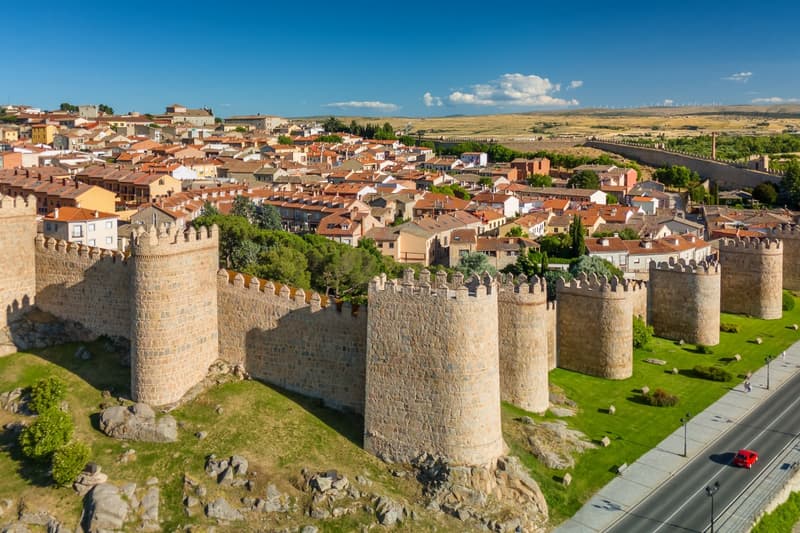
In Avila, there’s no sea, no beaches, no trendy nightlife, and none of Madrid’s grandiose monuments. So why book a vacation here? To experience a unique magic, blending Spanish art, history, and culture in one place and during a major event: the Medieval Days. In order to fully experience these reminiscent days, make sure to […]
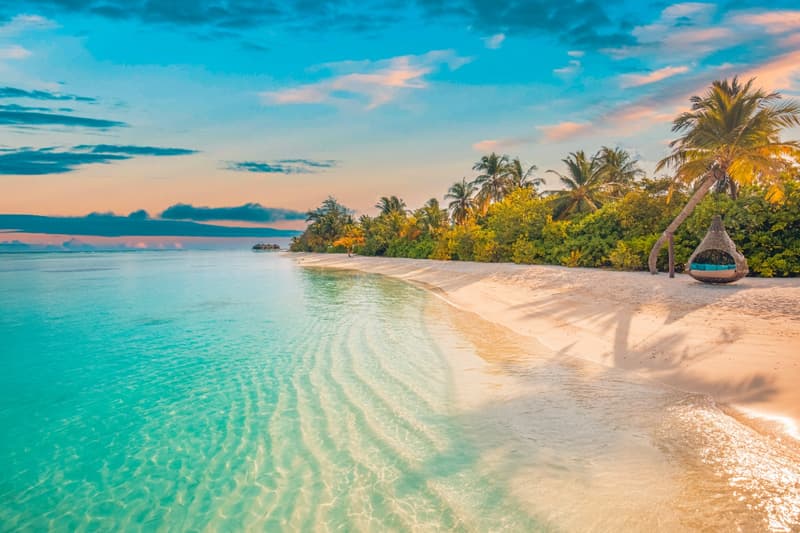
St Kitts&Nevis: a rich paradise everyone can enjoy

St Kitts&Nevis: a rich paradise everyone can enjoy

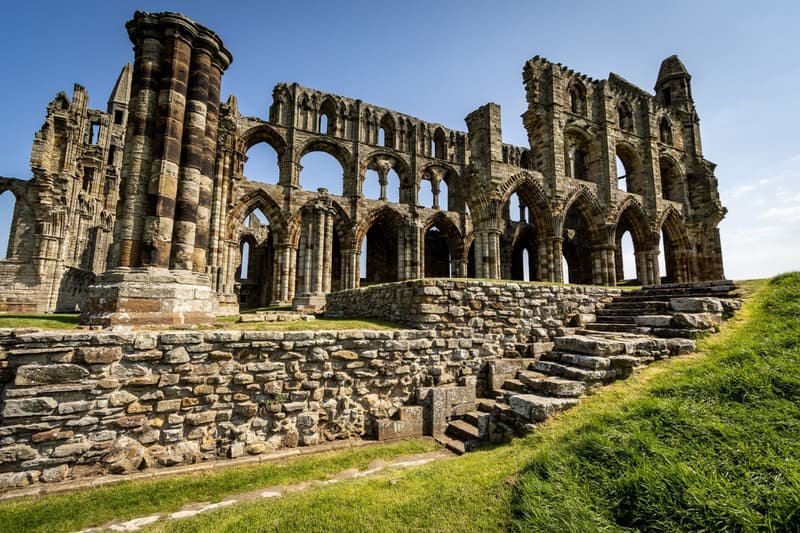
After the Maldives and Hawaii comes this tiny Caribbean archipelago. Among the paradises of the wealthy, St Kitts and Nevis is perhaps one of the most accessible, even for those who aren’t exactly billionaires. With the right information and a little foresight, even those with limited means can spend a few days in this corner […]

Ventimiglia: welcome to Italy’s last beach

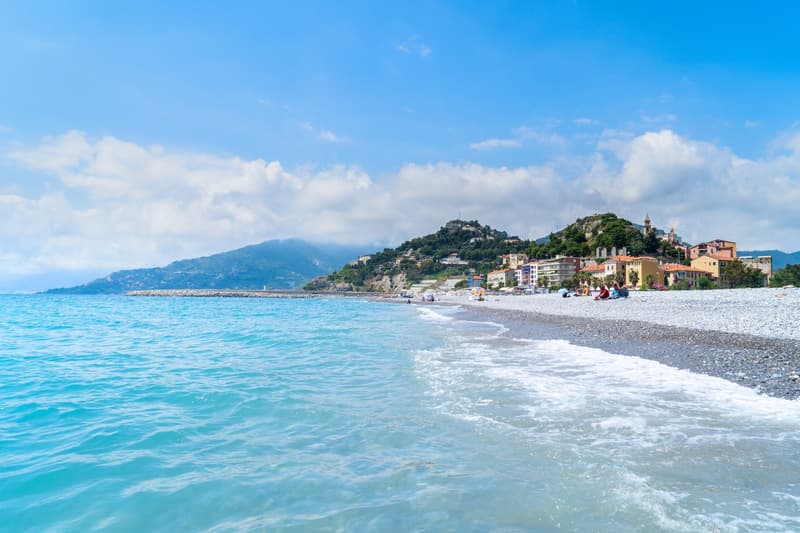
Ventimiglia: welcome to Italy’s last beach

Ventimiglia is a town located in the far western part of the Italian region Liguria and… no! It has nothing to do with measuring distance – the translation of the name is literally “twenty miles”, even if you might thing so! Its name derives from the Latin word Albintimilium (hence Bintimilium, Ventimilium), formed from “albom” […]

A literature itinerary: Pirate Sandokan’s Malaysia

A literature itinerary: Pirate Sandokan’s Malaysia

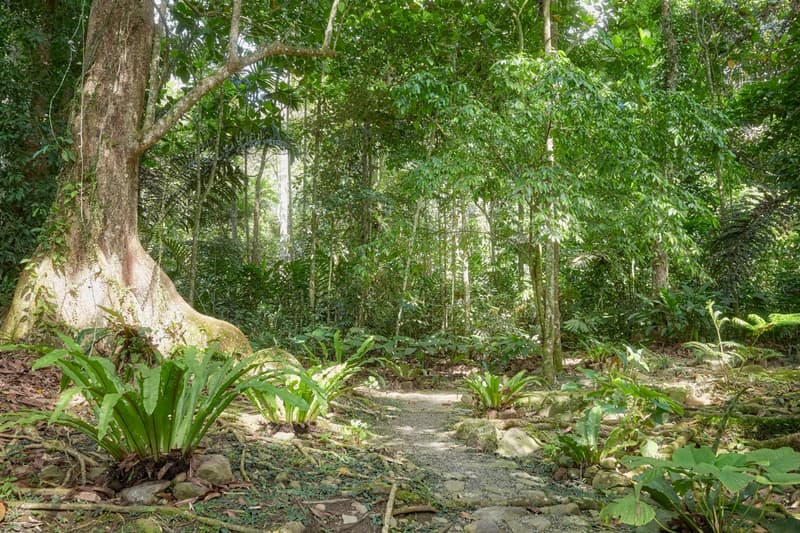
There is a tourist itinerary, especially beloved by Italians, that winds its way through faraway Malaysia. This island-nation in the Indian Ocean, between Thailand and Australia, was chosen as the setting for a novel that became hugely popular between the 19th and 20th centuries, “Sandokan: The Tiger of Mompracem”, by the Veronese writer Emilio Salgari. […]

Brasilia: modern and hidden soul of a nation

Brasilia: modern and hidden soul of a nation

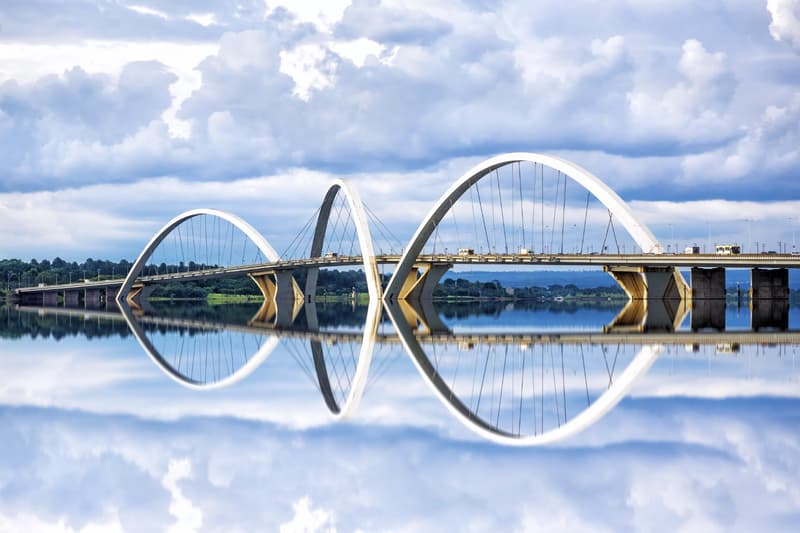
Brasilia is a city with a very specific birthday. It was inaugurated on April 21, 1960, with the role of national capital already , aiming to foster—through its centrality—the development of Brazil ‘s interior regions and reduce the concentration of population and economic activity along the Atlantic coast. Compared to other American cities, which are […]